Aren’t you afraid?
*** From the archives, updated and revised ***
About fear and how to deal with it
“I learned that courage was not the absence of fear, but the triumph over it. The brave man is not he who does not feel afraid, but he who conquers that fear”. Nelson Mandela
FOREWORD:
The last few days have once again shown just how much fear is being spread around in the world. Nothing has changed in this regard in the last 11 years, since this article was first published.
That is precisely why I am publishing this article. Don’t let it paralyse you! The world is still a much better place than the media would often have us believe.
May this text help you tackle your next challenge with greater ease. And that is precisely why I have set myself the task of addressing a major topic: fear.
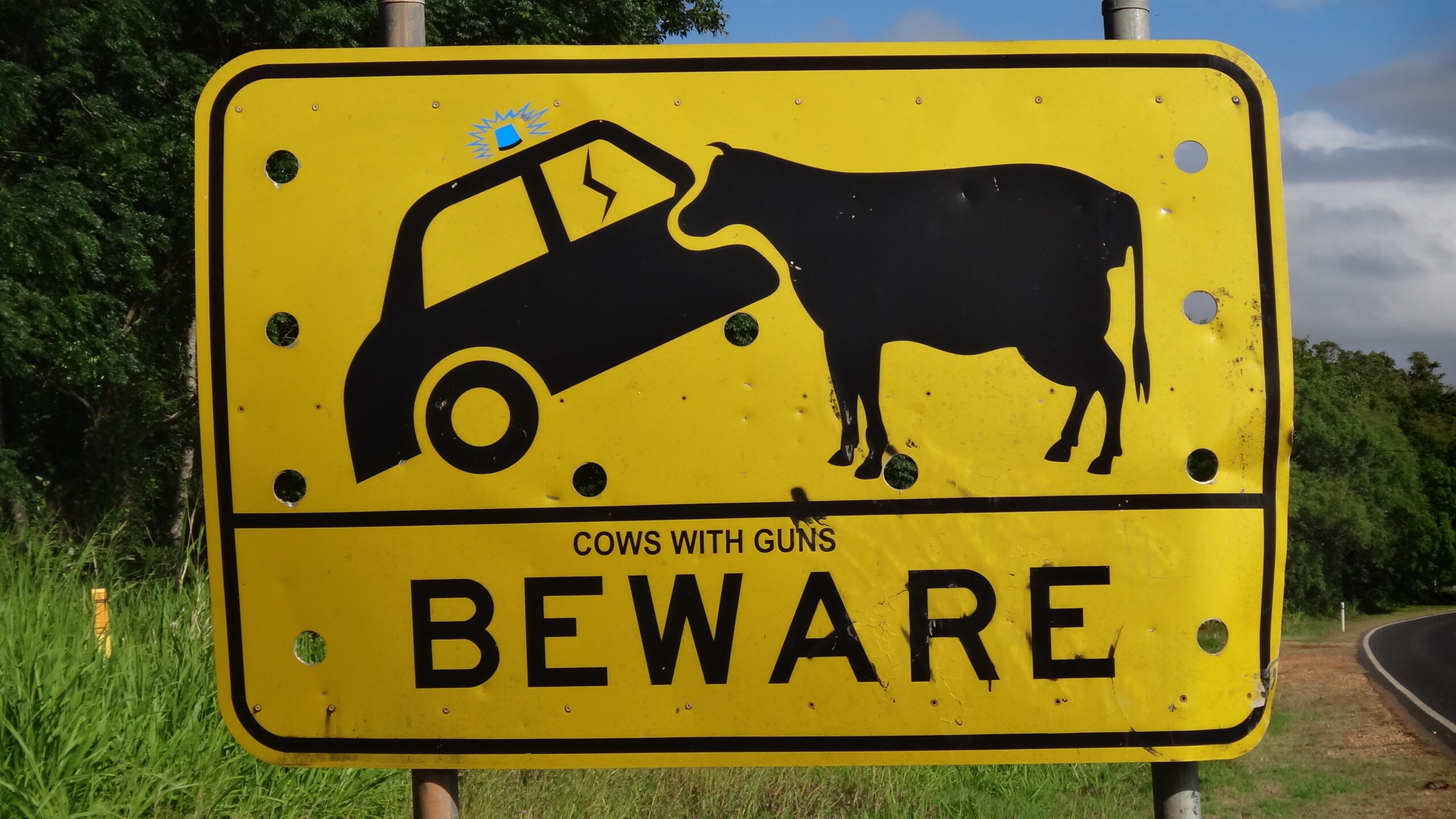
“Aren’t you afraid?” – A question I’m often asked
Am I not afraid? I’m often asked this question. I’m no heroine, and I don’t consider myself particularly brave either. But what others find unusual has long since become part of my everyday life.
What is fear?
I distinguish between two types of fear:
- Paralysing fear – a fear that arises from uncertainty and exists primarily in our minds. It restricts our freedom and can prevent us from living our lives to the full.
- Protective fear – a natural mechanism that prevents us from making reckless or dangerous decisions.
Both forms can be life-threatening:
Too little fear (Type 2) leads to recklessness. We expose ourselves to dangers we cannot control.
Too much fear (Type 1) leads to paralysis. We no longer believe in our own abilities – and are not really living.
What can we do?
The question is not how we get rid of fear, but how we deal with it.
1. See fear as a friend
The real danger is not fear itself, but the paralysis that results from it. Listen to your fear – it’s trying to tell you something. You’ll soon realise: is it paralysing fear or protective fear?
2. Start small
Whether you want to become a cliff diver or simply give a speech: Everyone starts small. Even the best cliff diver once started from a low starting block. Step by step, confidence grows – and fear becomes a guide, not an obstacle.
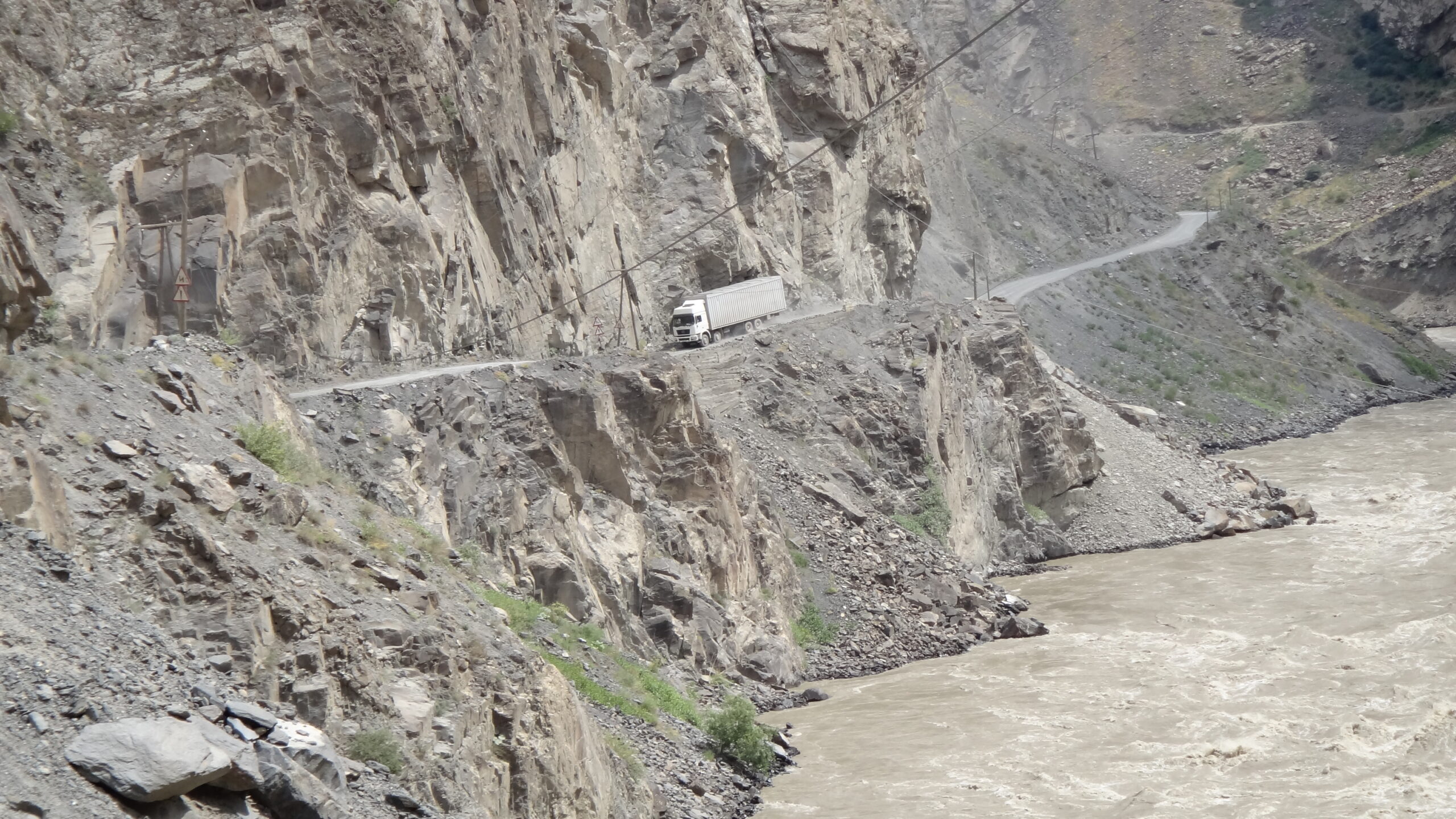
The fear of failure
Stepping out of your comfort zone and allowing yourself to feel uncertain doesn’t automatically mean taking a risk. Perhaps you don’t feel confident enough to speak in public – but that’s hardly going to put your life in danger.
What is failure?
In fact, it doesn’t really exist. Even if something goes wrong, you gain experience. Failure is simply not trying.
Courage is not the absence of fear
Courage does not mean not being afraid. A courageous person simply goes one step further: they are aware of their fear – and use it as a compass. Fear shows you what to do next.
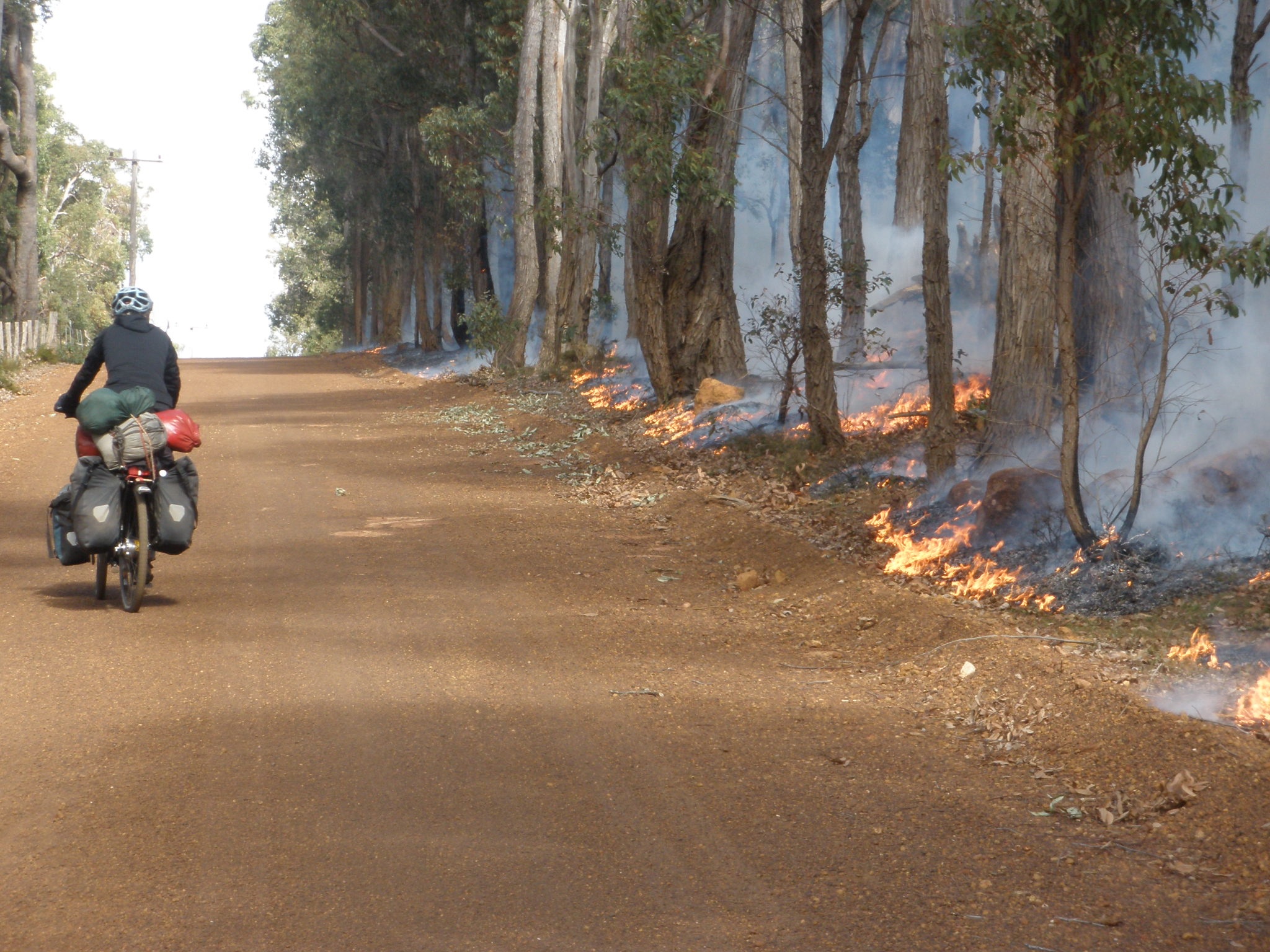
How do you get there?
Experience is the key
Just like the cliff-diver who starts small, you gain experience, knowledge and skills. That’s how fear becomes your ally – it’s also known as the “7th sense”.
For example, when I’m looking for a spot to camp in the wild, my experience – or my friend Fear – sometimes tells me: “Better not here.” I accept that and carry on until I find a spot that feels right for both of us. After a long day on the bike, I’m often so tired that I don’t have time to be afraid – I just fall asleep.
I don’t want to lose my fear completely. It’s an important protective mechanism. Who knows, maybe I’ll still need it.
A life without fear?
A life completely without fear would not only be boring – it would also be dangerous. In contrast, an experienced person sees the world as it is and then makes wise, and perhaps even courageous, decisions.
The cliff-diver trusts in his experience. Fear is reduced to a healthy level – it merely serves as a reminder to concentrate so as not to make mistakes.
Risk – a constant companion
Risk is always there when we venture into something new. But that is precisely what life is all about: breaking new ground, trying new things. Where would we be if no one had ever taken a risk? America would never have been discovered. Every artist, every innovator, every dreamer follows this path.
Separate risk from fear – then set out and conquer the world!
Turning fear into anger – if necessary
Anyone paralysed by fear becomes a victim. In some situations, it can be helpful to turn fear into anger.
For example, if a man makes a stupid pass at me, I sometimes respond with a deep, guttural voice – regardless of the language. This is usually understood straight away. The men are often shocked. This can work with dogs too: look deep into their eyes and show anger, rather than fear.
I wouldn’t try this with crocodiles, though. In that case, I’d hope that my fear would give me enough adrenaline to get away very quickly.
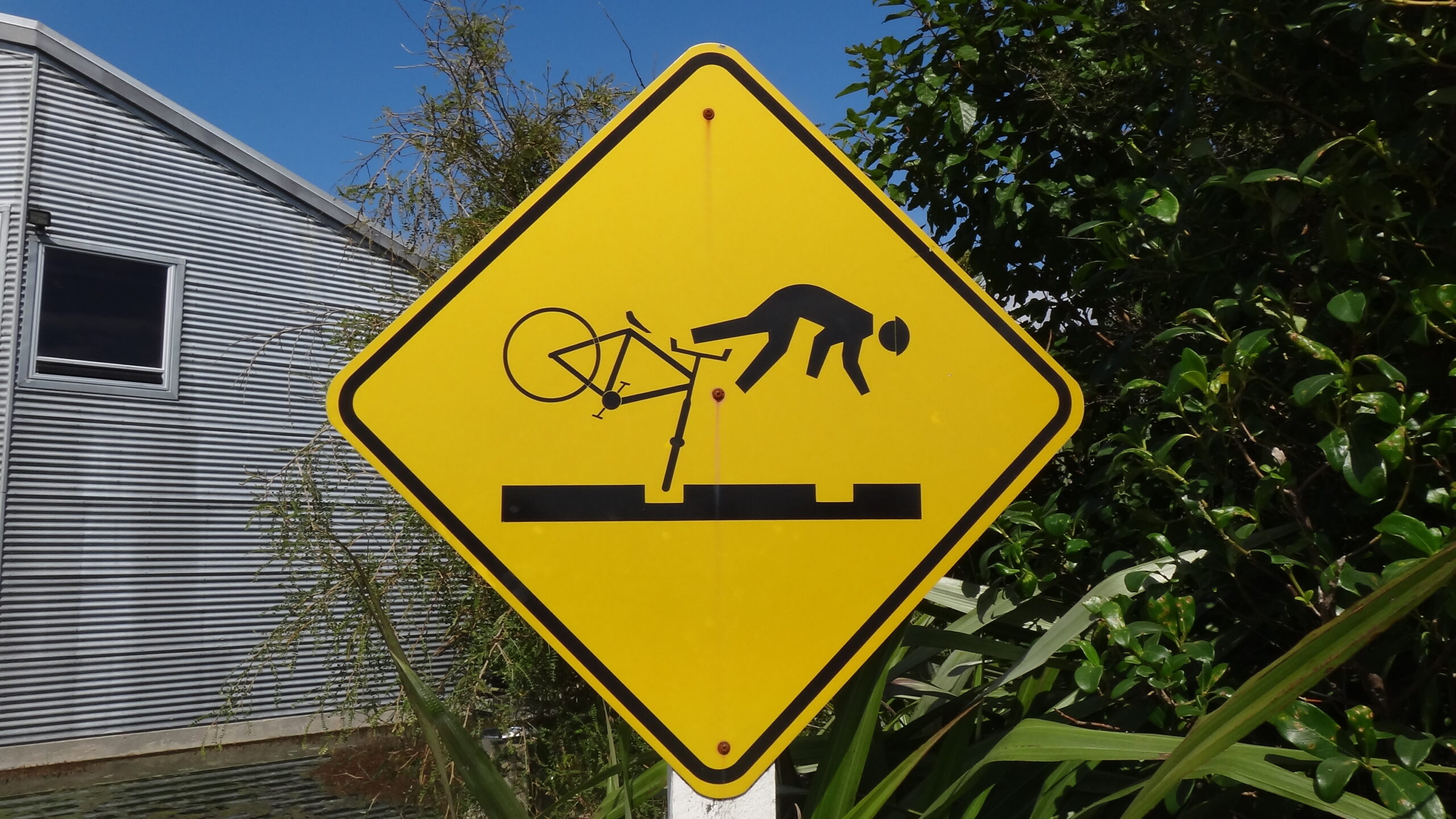
Trust your fear – it’s your friend
It will help you make your dreams come true.
What else would you like to do this year – but are still afraid to try?
I’d love to hear your thoughts and experiences in the comments!
